
Selat Navigating
Maritime Excellence
Selat Navigating
Maritime Excellence
The countries of Indonesia, Malaysia, and Singapore are separated by the Strait of Malacca. The Pacific and Indian oceans are conveniently connected by this tiny stretch of water, which is also one of the world's most significant shipping lanes and the shortest and primary shipping route between them . It has the name of the Melaka Sultanate (1400–1511), which served as the administrative hub of what is now Melaka.
| Period | Colonial / Power | Key Events |
|---|---|---|
| 800s – 1200s | Srivijaya Empire | Buddhist maritime trade empire Srivijaya controlled shipping through the Strait of Malacca. |
| 1400s – 1600s | Malacca Sultanate, Aceh & Johor | After regional conflicts, Malacca emerged in the 15th century, followed by Aceh and Johor in the 16th century. Malacca became a major port used primarily by Muslim traders. |
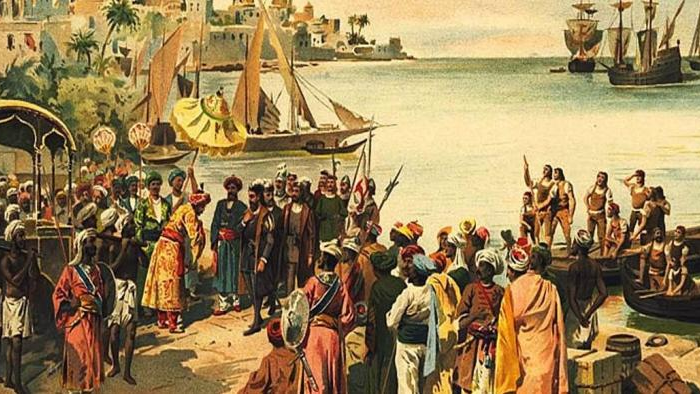
| 1511 | Portuguese | Malacca was captured by the Portuguese in an attempt to weaken Muslim dominance in regional trade, but their efforts were largely unsuccessful. |
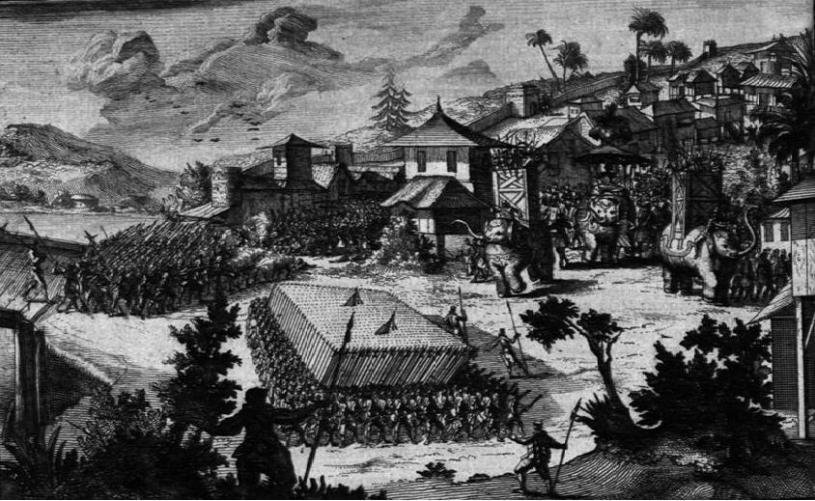
| 1600s | Dutch | The Dutch seized control from the Portuguese in 1640 and expanded influence to nearby regions including Aceh. |
| 1700s | British | British merchants established a port in Penang, later becoming the British East India Company’s main transshipment hub. The Dutch and British divided control of the region to avoid conflict. |
| Now | Modern Maritime Powers | Singapore is now the most important point along the strait, hosting the world’s second-largest port by container transshipment. |
Today, Melaka is a melting pot of cultures. In addition to traders like the Straits Chinese, ethnically mixed people also originate from the remnants of colonial empires like the Portuguese and Dutch. People having ancestry from Britain, Europe, the Middle East, and India as a result. The city, which has been recognized as a UNESCO World Heritage Site since 2008, is a blend of cultures and religions.